
Posted on

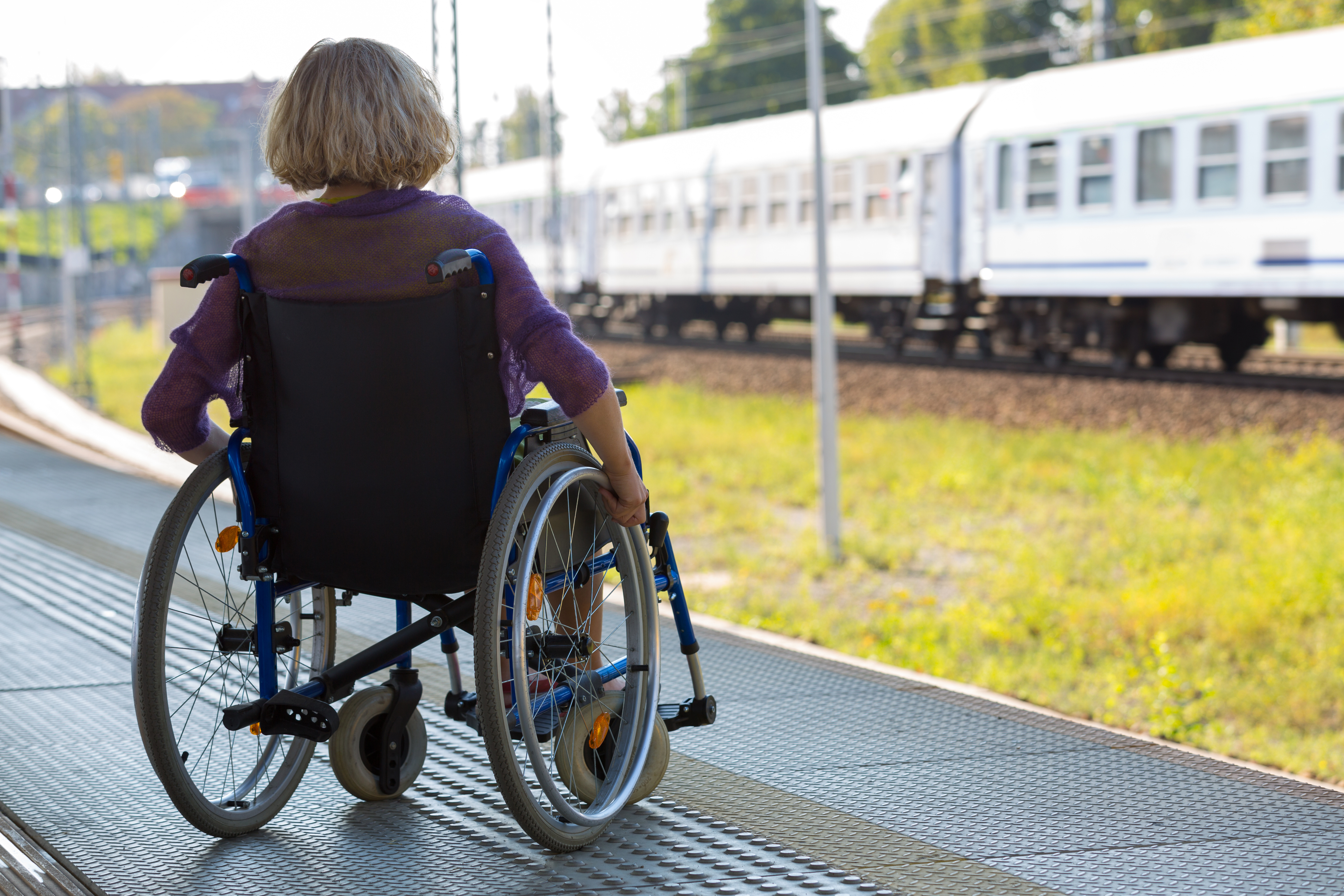
Mind the Gap, Watch Your Step…but what if you can’t?

Public transport plays a critical role in people’s movement and contributes to meeting the UK Government’s Net Zero target of reducing greenhouse gas emissions to Net Zero by 2050. Accessibility of public transport for millions of disabled people in the UK is essential to achieving the UK Net Zero target. So how are things evolving to make a more inclusive public transport system?

The Equality Act 2010 is a key piece of legislation that continues to shape transport services, ensuring public transport remains accessible for people living with physical, sensory, or cognitive disabilities.

Under the previous Conservative government, two initiatives were critical for enhancing the accessibility of public transport, including:

The Accessibility Action Plan (2018) which saw commitment to making rail services more accessible through station improvements, including step-free access and enhancing communication of important information, including delays and changes to transport routes.

The Disability Confident Scheme (2014) encouraged employers to rethink disability and improve how they recruit, retain and develop team members living with disabilities, including accommodating commuter needs.

More recently, on 19th February 2025, the current Labour government’s Local Transport Minister Simon Lightwood announced the appointment of 13
new members
to the Disabled Persons Transport Advisory Committee (DPTAC), which provides advice to the Department for Transport (DfT), particularly in relation to policy priorities and areas requiring immediate attention. In the past, DPTAC has helped DfT to make over 260 train stations accessible via the Access for All programme.

Accessibility of Rail

For many, rail is essential for travel across the UK, yet it can be challenging for people with disabilities where accessibility has not been thoroughly considered. As part of the previous Conservative government’s Inclusive Transport Strategy (2018),  £350m was put into projects to improve accessibility, such as step-free access improvement works.

Transreport, in partnership with National Rail, offer their Passenger Assistance service which enables people to request assistance with train travel and book in advance across any train company in the UK. Passenger Assist helps people navigate stations, get on and off trains, arrange ramp and lift access, carry baggage and assist with getting an Assistance Dog Under Seat card.

The current Labour government are planning to reform the UK rail network by establishing Great British Rail (GBR), which will eventually run both Britain’s rail infrastructure and passenger services, but concerns were raised by The Association of British Commuters (ABC) when the recent consultation on the Railway Bill failed to include any mention of a statutory accessibility duty. The DPTAC will likely be working closely with the DfT to ensure accessibility to rail services remains a priority as plans develop. The Railway Bill consultation closes on 15th April 2025, so there is still time to have your say on policy changes and the proposed passenger watchdog, which is expected to have a specific role for accessibility. Click here to read ‘A Railway Fit for Britain’s Future’ published by the DfT to find out more.

Accessibility of Buses

Buses in the UK have generally seen more consistent improvements, from low-floor model buses helping those with physical disabilities to audio-visual-enabled announcements assisting those with hearing or sight impairments. These changes are being made through legislation and should improve the accessibility, reliability, and comfort experienced by disabled users, as evidenced by research. In 2023, the Public Service Vehicle Regulations were brought out, meaning service providers are required to make “reasonable adjustments”, including access to passenger assistance and access to alternative transport options to ensure that disabled people are not put at a disadvantage. These regulations mean that all public services vehicles such as buses and coaches must comply with certain accessibility standards by 2031, improving accessibility for disabled travellers.

The switch to accessible vehicles tends to be slower on rural networks than in cities, but community transport options have filled the space for accessible transport where it is limited; they can take you to medical appointments and social occasions in your local area. If you require accessible transport, check who your local community transport provider is; they may be able to help.

What Can You Do to Help?

If you come across someone who may need help while travelling, consider offering your assistance if you feel comfortable doing so. They may not require any help, which is perfectly fine, but they may appreciate the offer. Try to understand the kind of assistance they might need, and when offering your help, ensure you clearly explain how you plan to assist them. Once you’ve helped, provide them with a brief overview of their new surroundings if their disability is related to sight before continuing on your way. People may or may not appreciate the offer of help, but whether they accept it or not, kindness is free.

If you think you could volunteer some of your time to support people with disabilities more regularly, take a look at BeMyEyes an app where individuals with sight-related disabilities can request assistance with everyday tasks, including travel.

Could you spare some of your time to assist with community transport in your local area? Community transport provides access for those who need additional assistance when travelling. This can include driving minibuses or offering one-to-one trips in a car to appointments or social activities. Visit our website at smartertravel.uk.com to find out more about the community transport providers operating in your area.

Posted on

Less Stress, More Savings: The Electric Bus Revolution

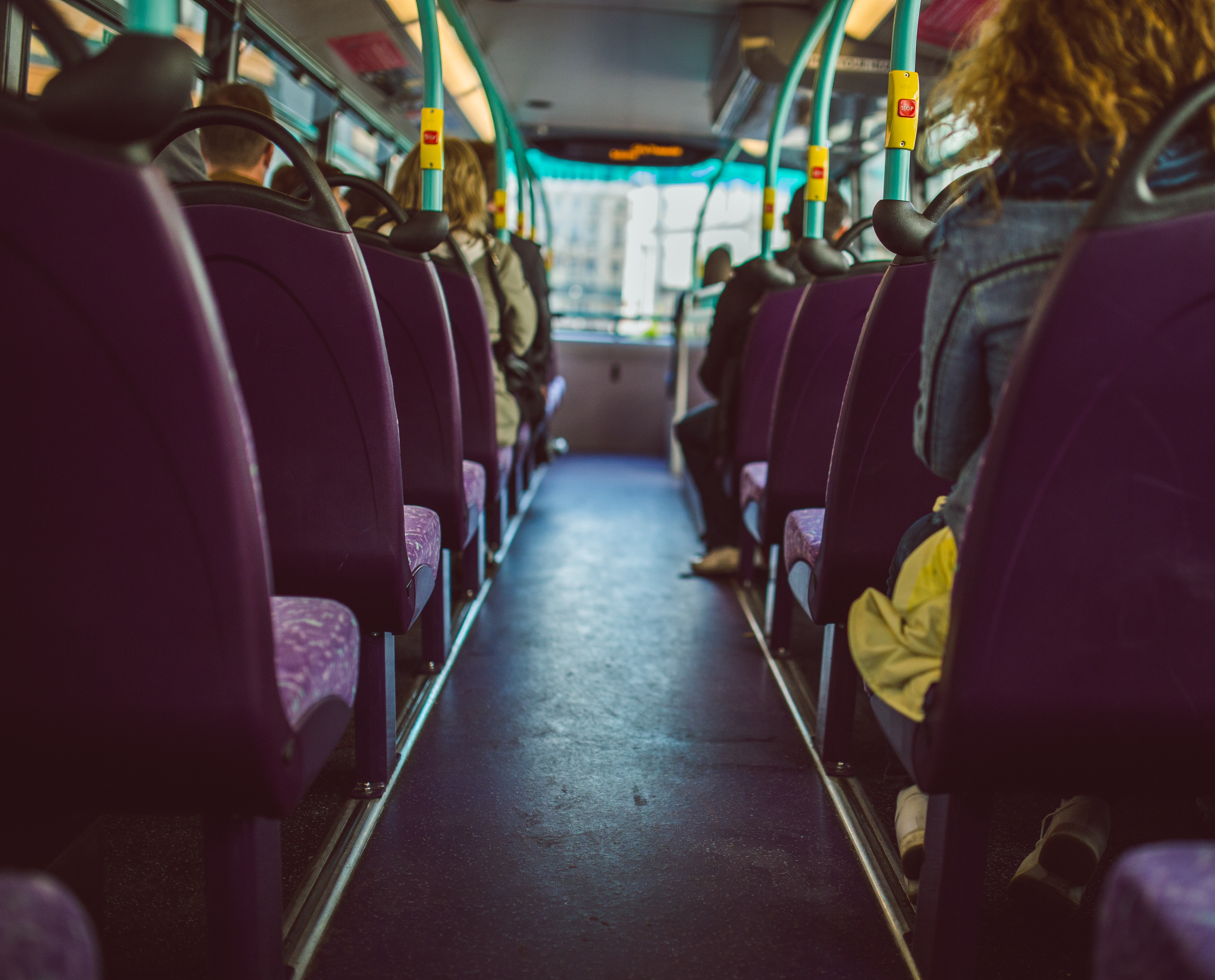
People on a bus | Boyton Place

Traveling by public transport can be a far less stressful experience than driving yourself. Reducing stress is crucial, as stress can lead to various health complications, including headaches, fluctuating blood pressure, disrupted sleep patterns, and even a weakened immune system, making you more vulnerable to getting sick. Opting for buses instead of personal vehicles could reduce your overall stress.

Switching to public transport can also save you thousands of pounds each year. Modern electric buses offer a more comfortable ride and are cheaper to use than maintaining a personal vehicle. Insurance, fuel costs, and vehicle maintenance contribute to an expensive commitment and often create financial stress.  Did you know that until December 31st, 2024, bus fares for major bus routes are capped at just £2, and, with the recent announcement from the budget, £3 until the end of 2025? This makes it an even more affordable option for your daily commute.

Increased bus usage also contributes to cleaner air, particularly in our cities. By reducing reliance on single occupancy vehicles, we can significantly reduce transport emissions and the number of harmful particulates entering the atmosphere. Air pollution poses serious health risks, including a higher likelihood of stroke, dementia, cancer, and respiratory and cardiovascular diseases.

What’s Being Done to Boost Bus Use in the UK?

The benefits of public transport are clear, and the UK government is taking steps to encourage more people to use buses. One major initiative is the electrification of the bus network, which will upgrade the network and deliver more comfort.

Electrifying the Network

You might be surprised to learn that the bus you regularly ride could already be electric! Electric buses are becoming increasingly common, especially in the UK’s largest urban areas Such as London. On October 8th 2024, the government announced a £500 million investment to expand the electric bus fleet, with plans to roll out an additional 1,200 zero-emission buses over the next three years. This initiative, called the Zero Emissions Bus Regional Areas (ZEBRA) program, aims to bring electric buses to cities, towns, and even some rural areas.

The Advantages of Electric Buses

Switching to electric buses offers numerous benefits:

  1. Reduced Emissions: Electric buses generate significantly lower emissions, reducing the contribution to climate change. According to the UK government, zero-emission buses must achieve at least a 50% reduction in greenhouse gas emissions compared to conventional diesel buses to be eligible for funding grants through accreditation standards.
  2. Less Noise Pollution: Research from the University of Hong Kong suggests that an electric bus network can lead to more peaceful living due to reduced noise levels. The United Nations has evidence that noise pollution has similar long-term health impacts to air pollution.
  3. Enhanced Comfort and Accessibility: The ZEBRA scheme prioritises passenger comfort, incorporating features like USB charging sockets and Wi-Fi, along with improved accessibility standards through live audio and visual updates on routes
  4. Cost Savings: While the initial investment in electric bus infrastructure may be high, studies show that electric buses can save up to 70% in operational costs over traditional buses due to lower energy consumption, fewer mechanical components, and reduced maintenance needs.

The Future Looks Bright

As the bus network evolves with improved technology, we can expect substantial benefits for people and the environment. The transition to electric buses will present challenges, particularly in establishing the necessary charging infrastructure. However, once these hurdles are overcome, towns, cities, and villages will enjoy economic advantages and immediate environmental benefits, including reduced air and noise pollution.

In conclusion, switching to public transport, especially electric buses, is a step towards a healthier, more sustainable future. So next time you consider how to get around, think about the many benefits of hopping on a bus!

Posted on

Public Transport’s Convenience Cost-Saving Power

Owning your own car or van often comes with a significant financial burden, which is only increasing as time goes on. In comparison, the bus offers an unparalleled combination of affordability and convenience that simply cannot be ignored.

Many bus operators are participating in the Get Around For £2 scheme, valid until December 2024, where you can get a single trip for £2 or less. Comparatively, the average parking cost in England for only two hours is £3.54, and having the inconvenience of parking queues, plus the cost of fuel, the inconvenience of maintenance and MOT of a vehicle, makes bus travel a lot more affordable in comparison.  Varsity (2024).  

For more information on the UK Government’s Get Around for £2 Scheme and to see participating bus operators, visit gov.uk

INRIX (2017) have reported that approximately 44 hours a year is used just to search for a car park space – that’s almost 2 days! This not only costs us precious time but contributes to unnecessary fuel consumption and increased emissions emitted to the atmosphere. This furthers the importance of using public transport, where possible, to help save you time, money and your lower emissions.

A full double decker bus can take up to 75 cars off the road (Confederation of Passenger Transport, 2024) This significant reduction not only aids in alleviating traffic congestion but also helps enhance air quality, great news for children and parents walking to school!

Bus lanes make bus travel a fast, easy way of travel by avoiding grid lock roads and alleviating stress and have the added bonus of gliding past all the cars in ease to your destination.

If you are aged 65 or over or have a disability, you may be eligible for free bus travel during off peak periods. See more information here.

With its unbeatable combination of affordability and convenience, it’s a choice that not only saves you money but enriches your travel experience by the possible social side and by enjoying your surroundings. Instead of tiresomely sitting in traffic, why not hop on a bus and use the time to do everything you can’t do whilst driving, such as reading a chapter of that book you can’t find time to finish, or calling that restaurant you’ve been meaning to go to for your next date night.

Choo-Choose the Train

Our World in Data (2023) have reported that travelling by train has one of the lowest environmental footprints in public transportation. Their 2022 data showed that the carbon footprint of travel per kilometre, per passenger came in highest for a diesel car, being a massive 171 g, petrol car at 170 g, bus travel was 97 g, followed by National rail at 35 g. The only mode to have a smaller footprint that the train was coach travel, coming in at just 27 g. This is due to coaches being more efficient on fuel, Centaur (2023) have reported that a coach can travel 100 miles on just 1 gallon of fuel, whereas trains require1.5 gallons for the same distance. As a result, coaches produce lower emissions per passenger.

According to International Energy Agency (2023) urban rail train networks have lower emissions than other urban motorised transportation modes because they are powered by electricity. By taking the train compared to bus and car you are significantly lowering your carbon footprint. Opting for train travel over driving reduces CO₂ emissions by a staggering 67%. (Trainline, 2024).

It’s Getting Hot in Here

Park and Ride is another great mode of travel that offers a convenient, fast mode of travel to your desired location. Simply drive and park your car for free or cycle to your local Park and Ride – most offer cycle parking. This is a great way of minimising emissions in cities, which can be subject to higher temperatures and lower air quality due to concentrated pollution. Over time, high emissions in built-up areas can contribute to an “urban heat island” forming, as buildings, roads and infrastructure absorb and re-emit the sun’s heat more than natural landscapes and higher levels of Carbon Dioxide and other gases trap the heat in, like a greenhouse, making it dangerous for city dwellers, particularly during the summer months. In summer 2023, 664 people sadly died during the heat wave in London. Experts state that Londoner’s are 3 times more likely to die during a heatwave of 29 degrees or higher, so we need to take action to minimise this risk not only in London, but for all urban areas across the UK. Learn more about heat islands here.

Bus Vs Train Vs Car

Using public transport such as buses or trains helps reduce CO₂ emissions being emitted, helps improve air quality and also help reduce you monthly travel costs in comparison to driving a car.

According to University of California, Los Angeles (2021) the average emission of CO₂ per mile driven by each vehicle on the road is one pound. Using public transportation results in a commendable reduction of CO₂ emissions by 45%. These statistics underscore the substantial environmental advantages associated with embracing public transport alternatives like buses and trains.

According to the Rail Delivery Group by National Rail (2023), rail transportation generates 10 times less carbon emissions compared to travelling by car.

Train travel emits the least amount of emissions among these 3 transportation options. Opting for trains isn’t just about reaching your destination—it’s about making a conscious choice for a sustainable future. By embracing train travel you can take a proactive step towards reducing your carbon footprint. Although trains tend to be a higher priced mode of travel in comparison to bus travel, opting for a railcard can help reduce costs.

Getting stuck in traffic also increases short-term stress level according to Womens Health (2021) By opting for a sustainable mode of travel you helping to improve health in comparison to driving.

Opting for train or bus travel offers an added benefit: if you need to walk to either of these modes of transportation, it contributes to your daily recommended 30 minutes of exercise. This is also excellent for enhancing your mood and to give you a good start to your working day.

Railcards

For just £30 a year, enjoy a 1/3 discount on train tickets with a National Railcard. It’s a smart investment – use the discount a few times, and you’ve easily covered the cost. National Railcards available:

16 – 17 saver railcard

16-25 railcard

26 – 30 railcard

Two Together railcard

Senior railcard

Family & Friend railcard

Veterans railcard

Network railcard

The above railcards are £30 for 1-year.

Disabled Person railcard is £20 for 1-year.

Flexi season ticket – If you are a hybrid worker, a Flexi season ticket may be your best option. The ticket gives you 8 days of travel in 28 days. Find more information here.

Club 50 Greater Anglia Railcard – The railcard for over 50s Find more information here.

Travel more, spend less. Get your Railcard today!

Get more information about railcards here.

The main benefits of using public transport are:

  • Money saving
  • Notable health improvements such as stress reduction
  • Possibility of contributing to your daily recommendation of exercise
  • Lowering your carbon footprint
  • Help to reduce the number of cars on the road, and in turn reducing the amount of emissions being emitted to the atmosphere, creating cleaner healthier air.

Try swapping your car journeys for public transport and experience the benefits.

Posted on

Journeys to Explore with Discounts Galore!

Man hailing a bus


In the midst of the UK’s cost of living crisis and a global climate emergency, finding budget-friendly and eco-conscious ways to travel has become more essential than ever. Thankfully, the extended “Get Around For £2” bus scheme and Railcard discounts offer a breath of fresh air for both your pocket and the planet!

Bus Travel

The “Get Around For £2” bus scheme, extended until December 2024, is a game-changer for those feeling the pinch of rising prices. With a single fare for just £2, this initiative eases the burden on your wallet. Plus, it helps cut down on the fuel costs, annual maintenance and parking expenses associated with driving, which are only getting more expensive due to the current economic challenges. Check out the list of routes and operators.

Don’t forget, if you are of state pension age, you can get a FREE ‘Older Person’s Bus Pass’ that enables you to travel for FREE between 09:30-23:00 weekdays and all day at weekends and Bank Holidays. Apply now!

If you have a disability that limits how you get around, you can apply for a FREE ‘Disabled Persons Bus Pass’ that enables you to travel for FREE on off-peak services from 09:30am until the last bus of the day on weekdays and all day on weekends and Bank Holidays. Apply now!

Train Travel

For train travellers, various railcards provide substantial discounts, making journeys more affordable. The average Railcard holder saves £140 per year ,with 1/3 off train travel! There are 9 main Railcards to choose from, all of which cost just £30 per year or £70 for 3 years:

According to research by Employee Benefits, 59% of employers offer the season ticket loan scheme to employees. It’s one of the most used schemes available, and for good reason! So, if you travel by train regularly, speak to your employer about the potential for an interest free season ticket loan. Learn more about it here!

Compared to the financial strain of driving solo, these transportation options are a breath of fresh air. They help you cut costs and carbon at the same time. This is especially important as people grapple with the economic challenges of today.

By choosing these options, you can navigate the UK affordably and responsibly, easing the financial pressure on your family while contributing to a sustainable future. It’s a win-win!